
Quartz Hill, Lancaster
Garage Door Maintenance for Quartz Hill's 1970s Housing Stock
Quartz Hill homes mostly date to the mid-1970s, four miles out from Lancaster. We tune the springs, rollers and openers that era actually used, not generic parts.
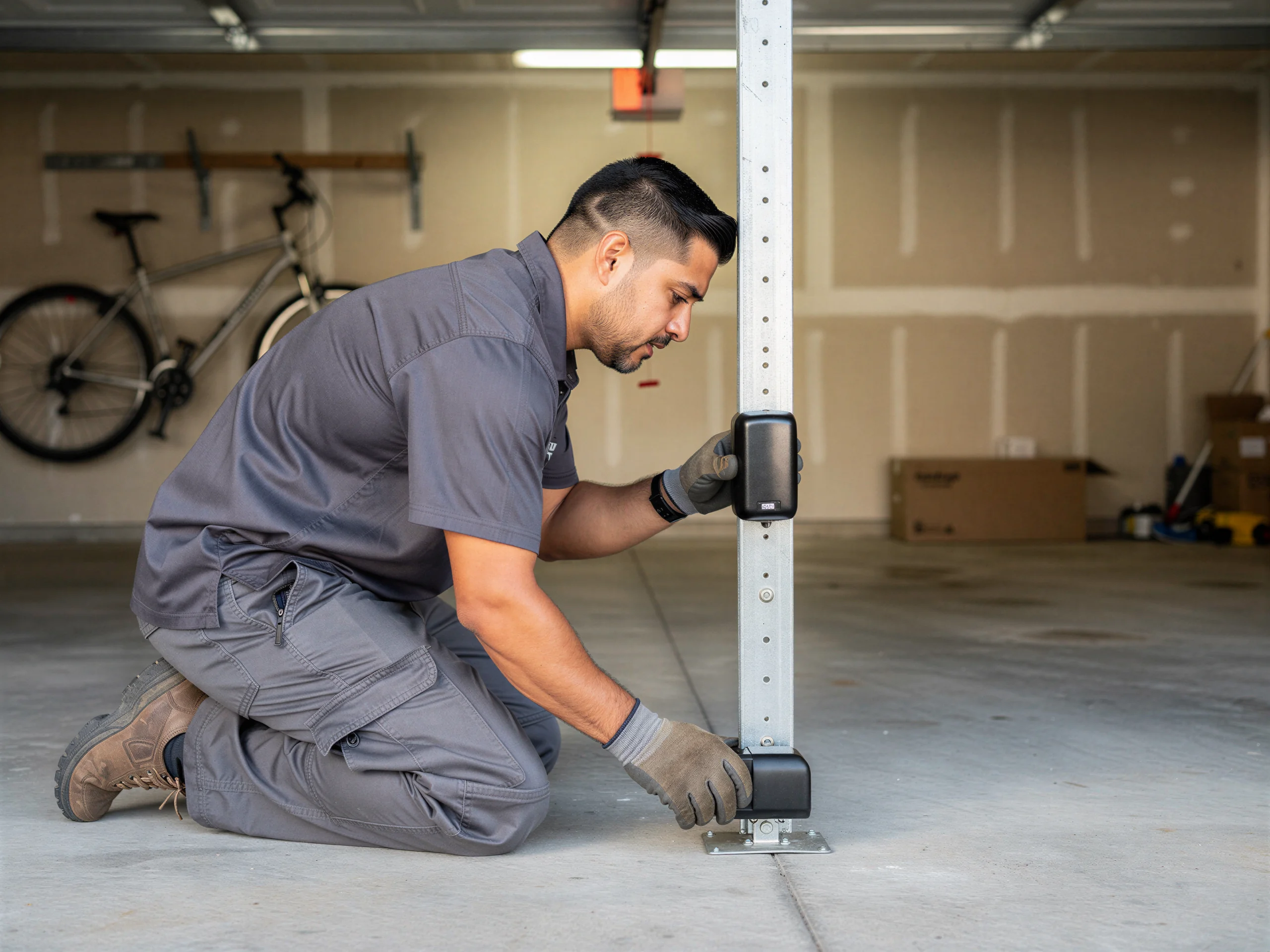
The Complications
Quartz Hill runs about 3,805 households, a fraction of the roughly 18,984 across the wider service area we cover out of Lancaster. That smaller count doesn't mean simpler work.
Clustered build years
It means a tighter cluster of homes built around the same years, so the same handful of problems show up again and again on the same streets. The area's median build year sits around 1976, which is earlier than the broader service area's 1982 median. That gap matters.
Thinned steel panels
A door installed in the mid-70s is more likely to still be running its original torsion spring, an older-style extension spring setup with no containment cable, or a steel panel that's thinned out from four decades of sun and swelling. We see openers from well past their reasonable service life here more often than we do on newer blocks.
Hardware specs nobody uses
The complication isn't exotic. It's just older hardware, sized and mounted to specs nobody uses anymore, paired with homeowners who've had the same door working fine for years right up until it isn't. Maintenance here is as much about catching a 45-year-old spring before it lets go as it is about lubrication.
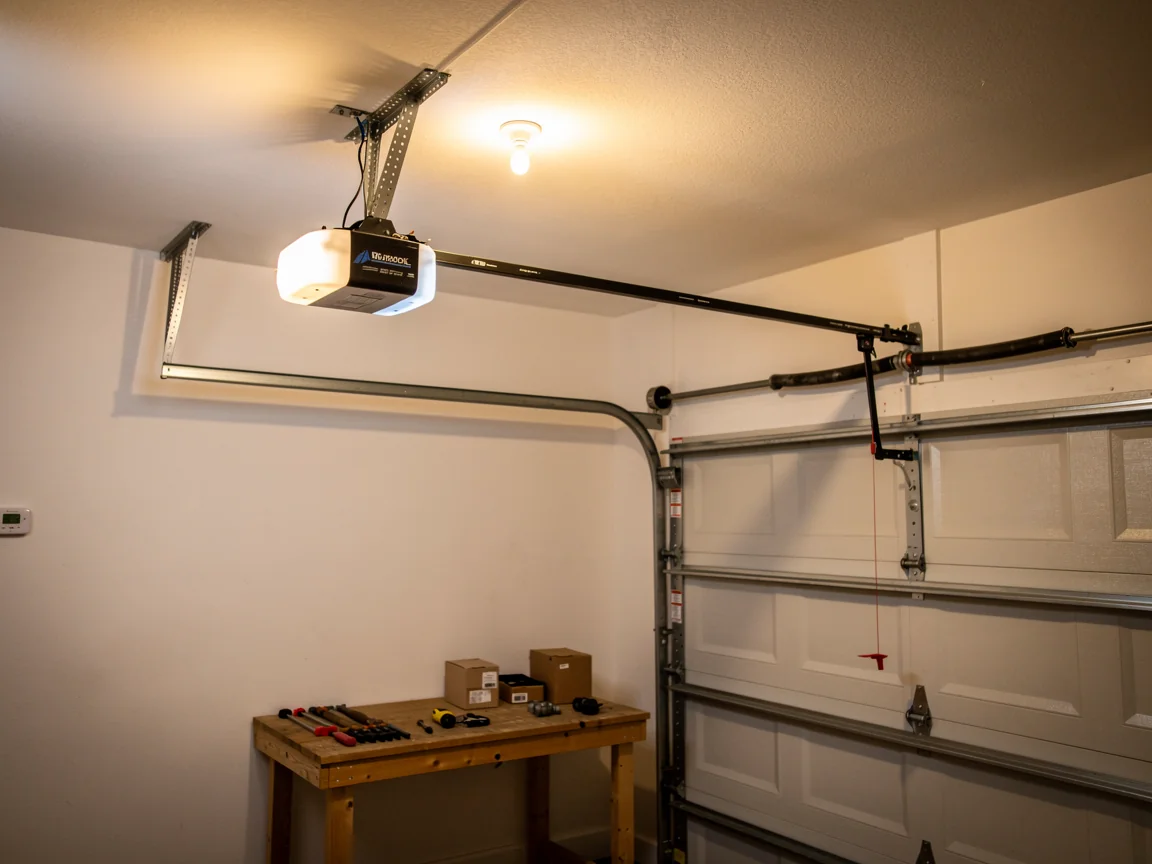
Time on the Job
A maintenance visit on a mid-70s door takes longer than the same visit on a 2005 build, mostly because there's more to inspect. Original hardware means checking spring wind, cable fraying, and roller wear that newer doors haven't had time to develop.
Stiffening cable over time
The region's heat band is moderate, not extreme, so we're not chasing the kind of thermal cycling that cracks seals in a single summer, but four decades of moderate heat still dries out lubricant and stiffens cable over time.
Full check on site
We travel in from Lancaster for every Quartz Hill call, so there's no separate branch or crew stationed closer. That doesn't change what happens once we're on-site: full track and hardware check, spring tension and balance test, opener force and limit settings, and a look at anything that's clearly original equipment versus something replaced along the way.
Untouched doors take longer
On a door with newer parts, that's a quick visit. On a door that's never been touched since it was hung, it takes longer, and we tell you that upfront rather than rushing it.
What It Costs
We don't post a flat number for maintenance because what we find on a 1976 door and what we find on a door rebuilt ten years ago aren't the same job.
Inspection versus roller replacement
A visit that's mostly inspection and lubrication costs less than one where we're replacing a worn roller set or re-tensioning a spring that's lost its wind. What we can tell you: homes in this area tend to carry original or early-replacement hardware more often than newer parts of the service area, which usually means more line items on the invoice, not fewer.
Maintenance over gambling
Median household income here runs close to $104,017, and we've found most owners would rather pay for a thorough maintenance visit now than gamble on a spring letting go later, especially with a two-car door that weighs what it does.
Repair and maintenance pages
If you want pricing specific to repair work rather than maintenance, our Quartz Hill repair page covers that. For the full rundown of what maintenance packages look like region-wide, the Lancaster maintenance page has that detail.
What Is on the Truck
Because this area skews toward older doors, the truck carries parts sized for 1970s and 80s hardware alongside current stock: torsion springs in the wind sizes those original systems used, extension spring sets with retrofit containment cables (a lot of older installs never had them), and rollers in both the old steel track widths and the newer sizes.
We also stock lubricant rated for the moderate heat this area sees, opener safety sensors to bring older units up to current standards, and cable of the gauge those early torsion setups call for. What we don't carry is obsolete panel stock. If a door's original panels are cracked or rusted through, we're not reordering a 1976 panel design, we're talking about partial or full replacement instead.
That's the honest limit of a maintenance visit: we can extend the working life of old hardware a long way, but we can't manufacture discontinued parts. When a door's past that point, we say so instead of billing for a patch that won't hold.
Doing It Yourself
There's real maintenance a homeowner can do between visits. Wipe down and lubricate rollers and hinges twice a year, check that the auto-reverse safety feature still stops the door on contact, and look at the cables for fraying near the bottom bracket.
Dried, cracked weatherstripping
On a door built around 1976, give the weatherstripping a look too, that rubber dries out and cracks faster on older doors that have seen more cycles. What you shouldn't touch is the torsion spring.
High-tension spring adjustment
These doors carry old-style high-tension springs, and adjusting or replacing one without the right bars and a clear idea of the wind direction is how people get hurt. Leave that to a visit. Same goes for re-tensioning an extension spring system without a containment cable in place.
Opener force settings
If your opener dates back decades, test the force settings rather than cranking them up to compensate for a door that's gotten harder to lift. A door getting harder to move is usually a spring problem, not an opener problem, and no amount of opener adjustment fixes a spring.
Why It Happens Here
The pattern in Quartz Hill traces back to timing. A median build year around 1976 means a big share of these doors and their hardware are original or close to it, built to specs from an era before galvanized coatings and safety cable were standard on every install. That's different from newer sections of the broader service area, where the 1982 median and later construction waves brought updated hardware as a baseline.
The moderate heat band here isn't dramatic, but it's steady, and steady heat over forty-plus years does more to hardware than a few bad summers would. Springs lose tension gradually. Steel panels fatigue. None of it looks urgent until the day it is.
At four miles from Lancaster, Quartz Hill isn't far, but it's far enough that the housing wave here landed on a slightly different calendar than the rest of the service area, and that calendar is what decides which parts fail first.
Questions
Common questions
How old is a typical garage door in Quartz Hill?
The area's median home was built around 1976, so a lot of doors and their original hardware date back that far unless they've been replaced. That's earlier than the broader service area's median of 1982, which means more original torsion springs, extension setups without containment cable, and older steel panels still in use.
Do you have a crew based in Quartz Hill?
No. We run out of Lancaster, about four miles away, and cover Quartz Hill along with the rest of the surrounding service area from there. There's no separate branch here, but every maintenance visit gets the same full inspection regardless of distance.
Why does my door feel heavier than it used to?
On an older door, that's almost always a spring losing tension, not the opener weakening. A spring from the mid-70s or 80s has had decades of cycles to wind down. We check spring balance as part of every maintenance visit, since a heavy door is usually the first sign one's near the end of its life.
Can you just fix the spring instead of a full maintenance visit?
We can, and the Quartz Hill repair page covers that kind of call specifically. A full maintenance visit is worth it on older hardware, though, since a spring rarely fails alone, cables, rollers, and opener settings on a decades-old door are usually due for a look too.
Explore more
More Services in Quartz Hill
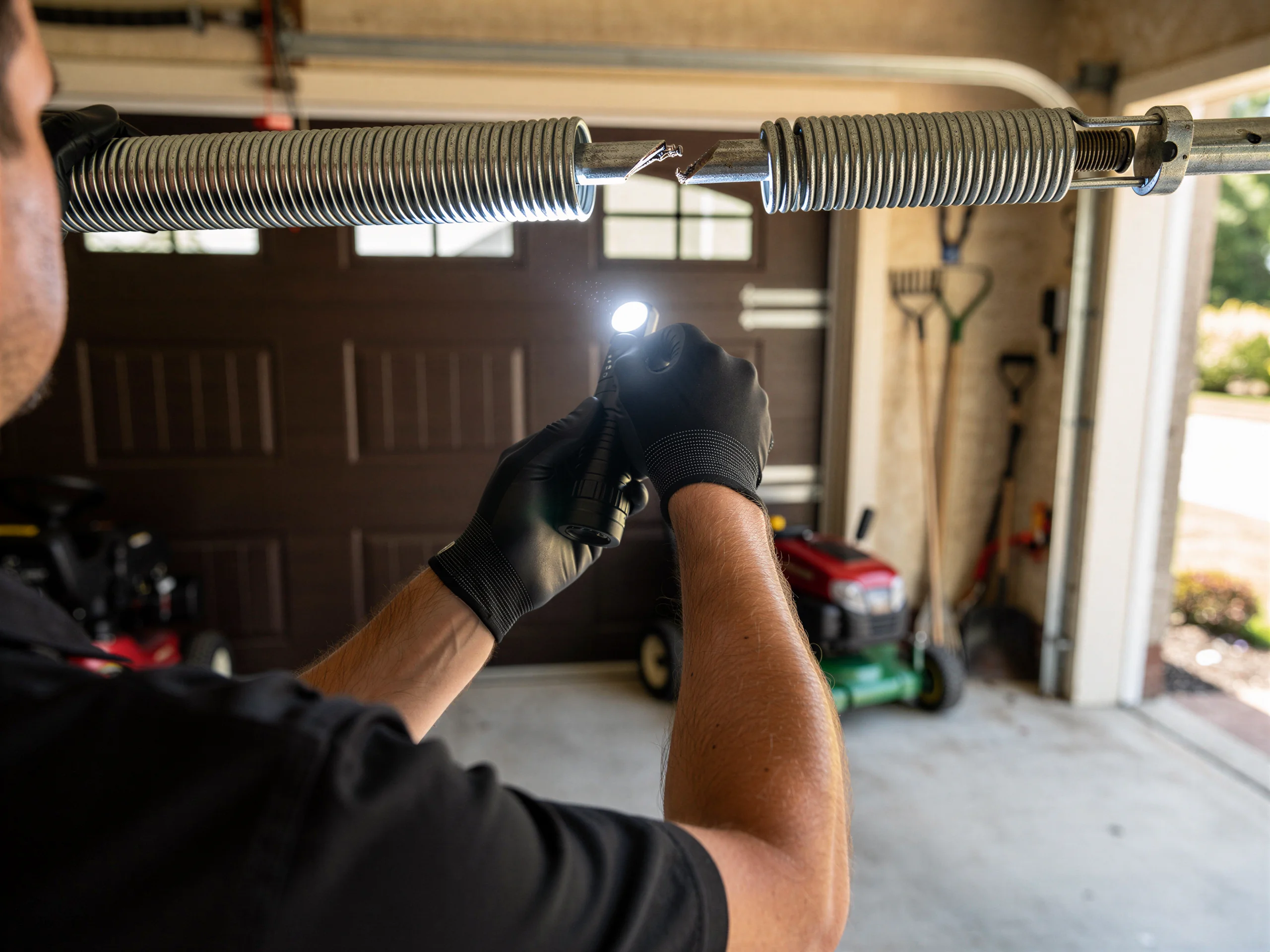
Emergency Garage Door
Quartz Hill sits 4 miles from our Lancaster shop, and most homes here date to the mid-1970s. Learn more →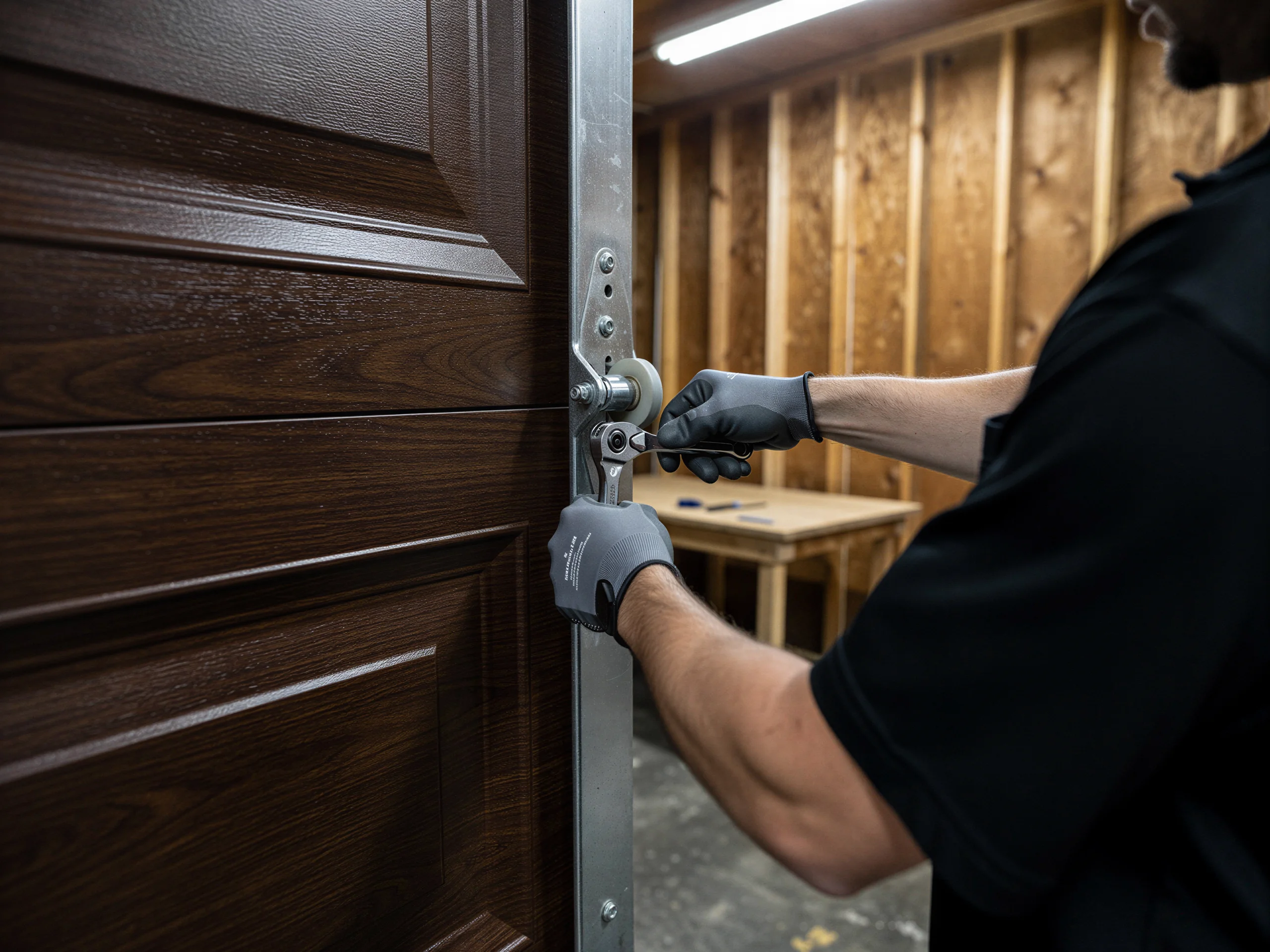
Garage Door Repair
Quartz Hill homes built around 1976 still run a lot of original spring and track hardware. Learn more →
Garage Door Service
Quartz Hill homes mostly date to the mid-1970s, which means specific door types and spring setups. Learn more →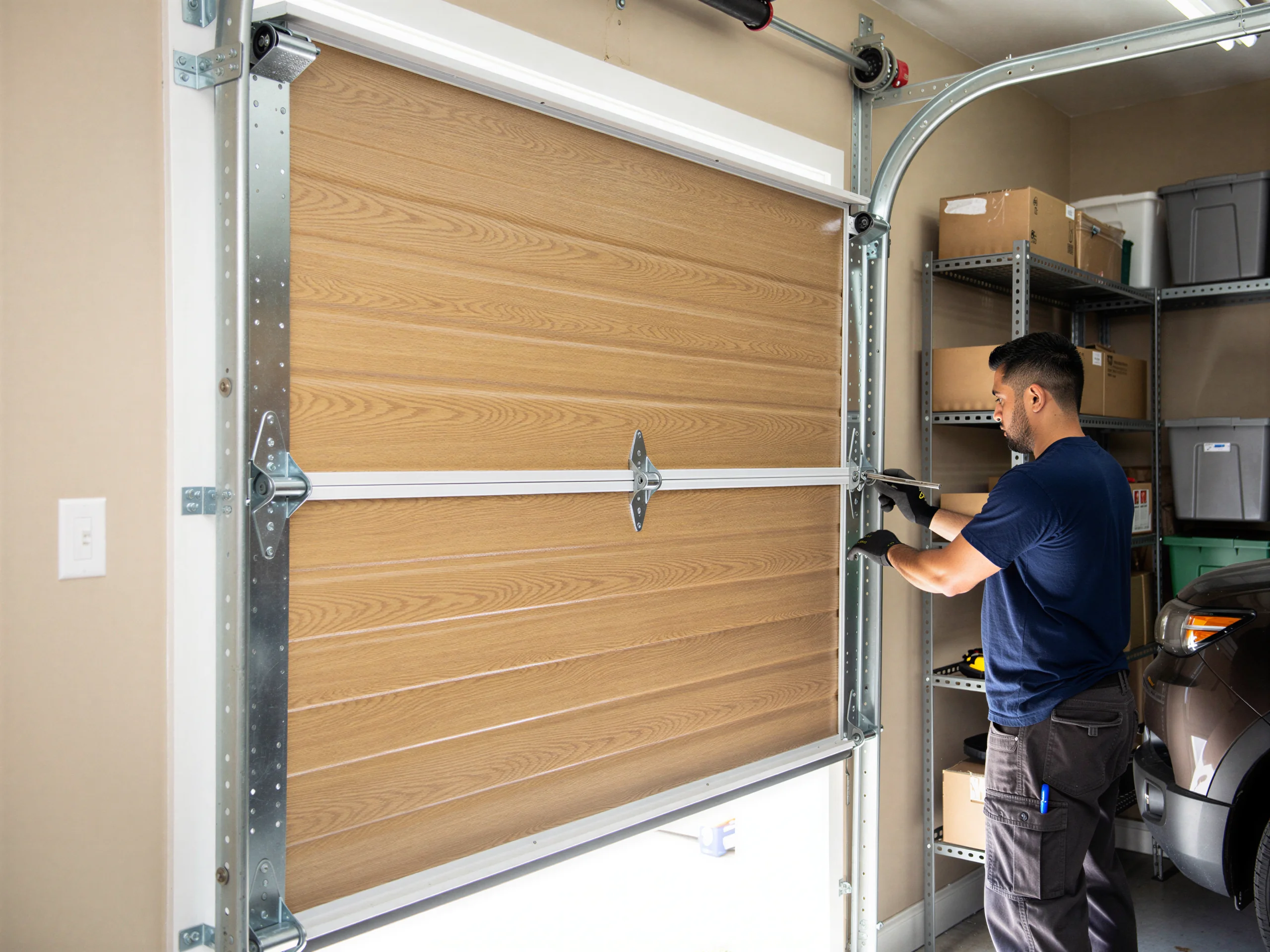
New Door Installation
Quartz Hill homes went up around 1976, years before Lancaster's broader building wave. Learn more →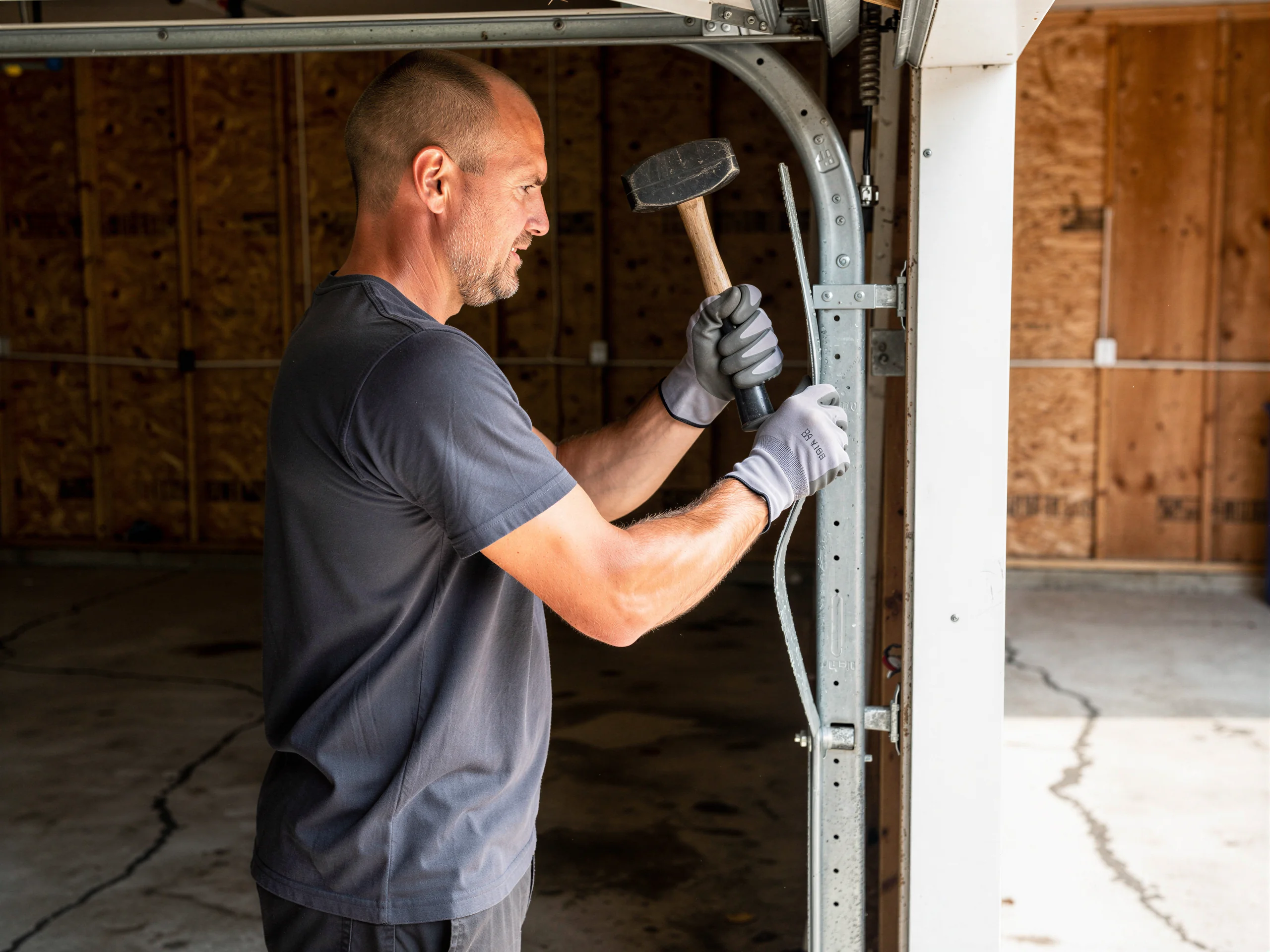
Off Track Repair
Off-track garage door repair for Quartz Hill homes, most built around 1976. Learn more →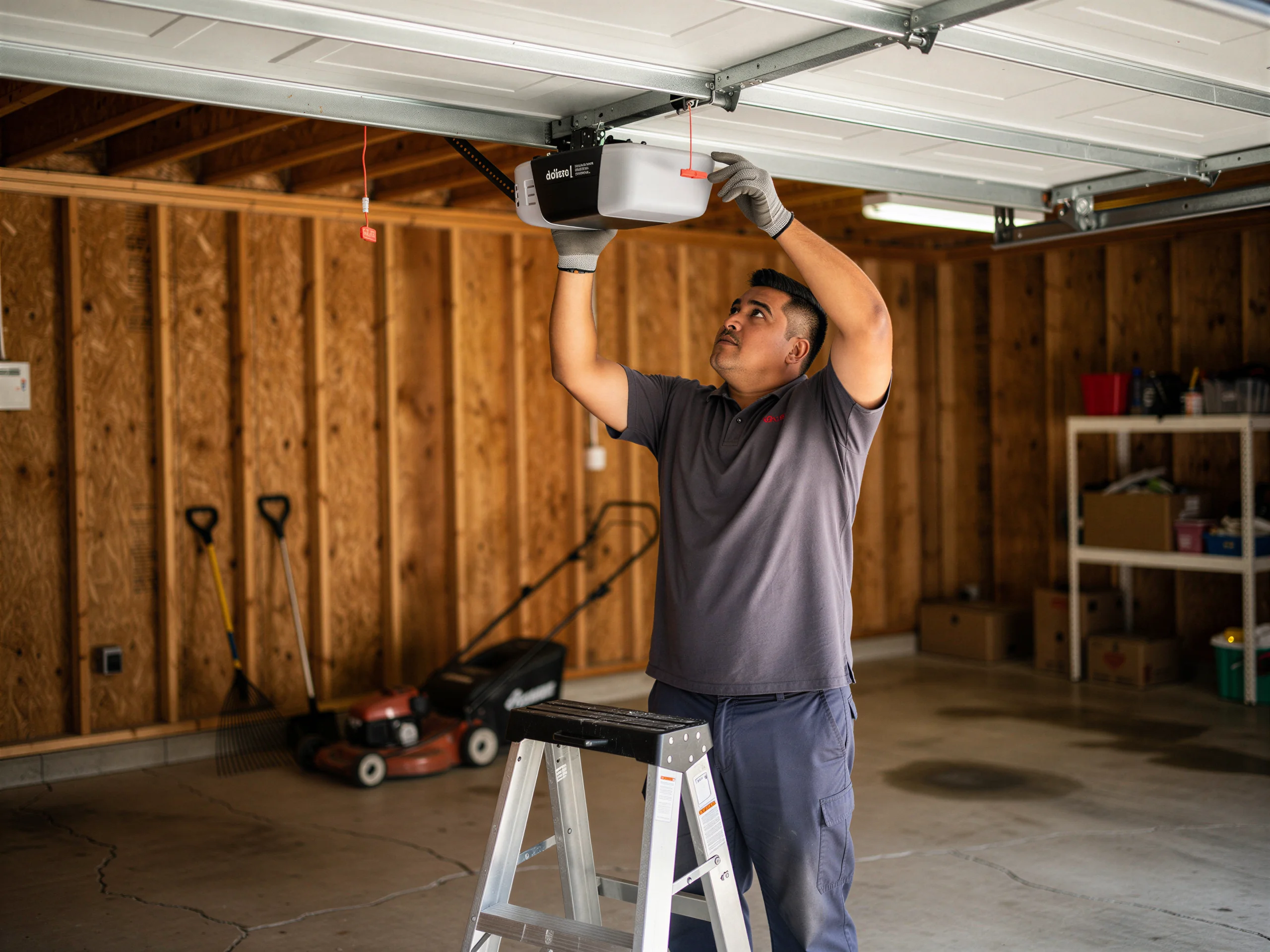
Opener Installation
Quartz Hill homes mostly date to 1976, a decade before much of Lancaster's stock. Learn more →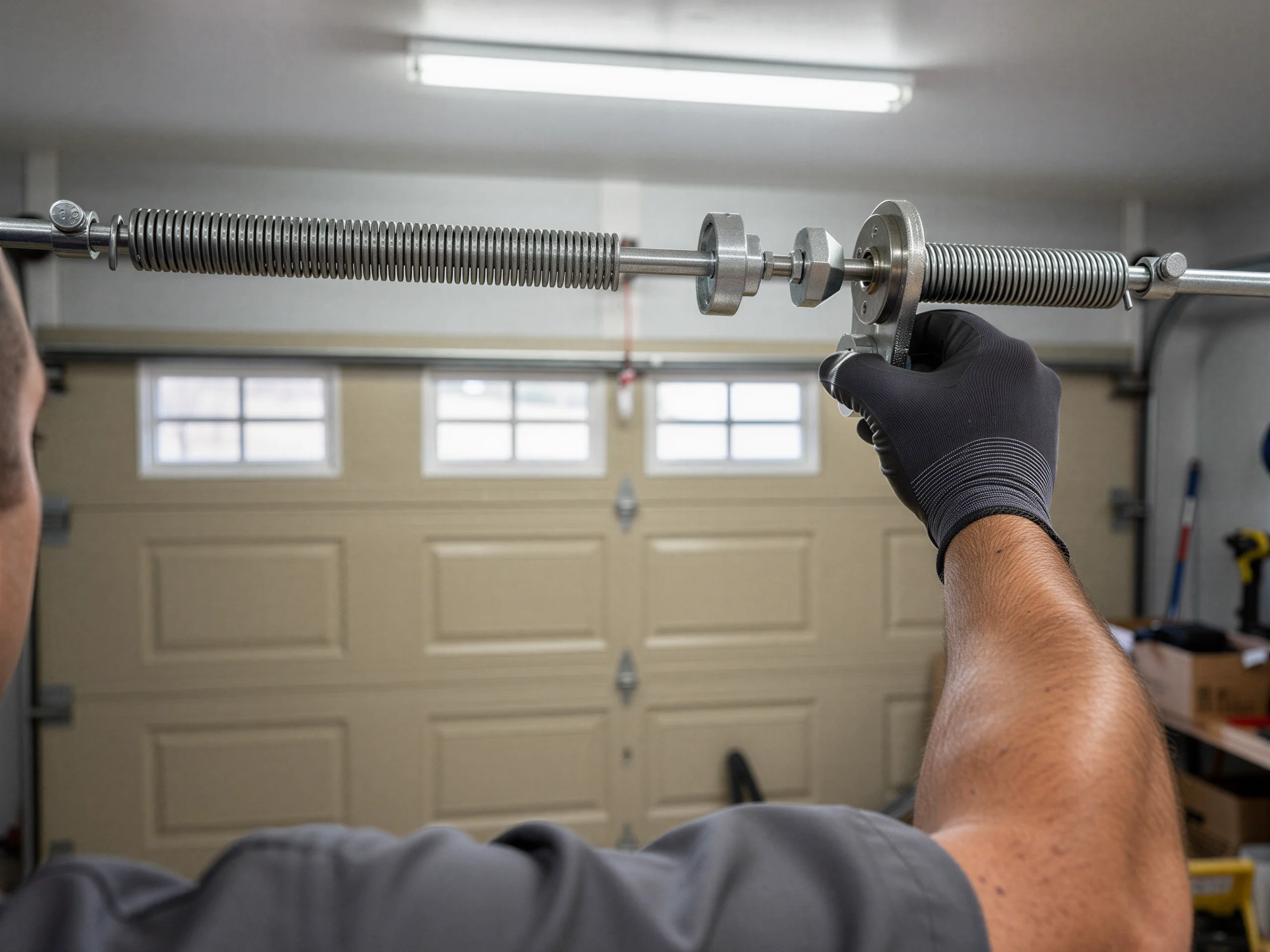
Spring Repair
Quartz Hill's housing stock centers on 1976, older than much of the wider service area. Learn more →Ready when you are
Time for a garage door tune-up in Quartz Hill?
Lancaster Garage Door Pros repairs and installs garage doors, springs and openers in Lancaster, CA and the surrounding area.