Local detail
When It Stops Being a DIY Job
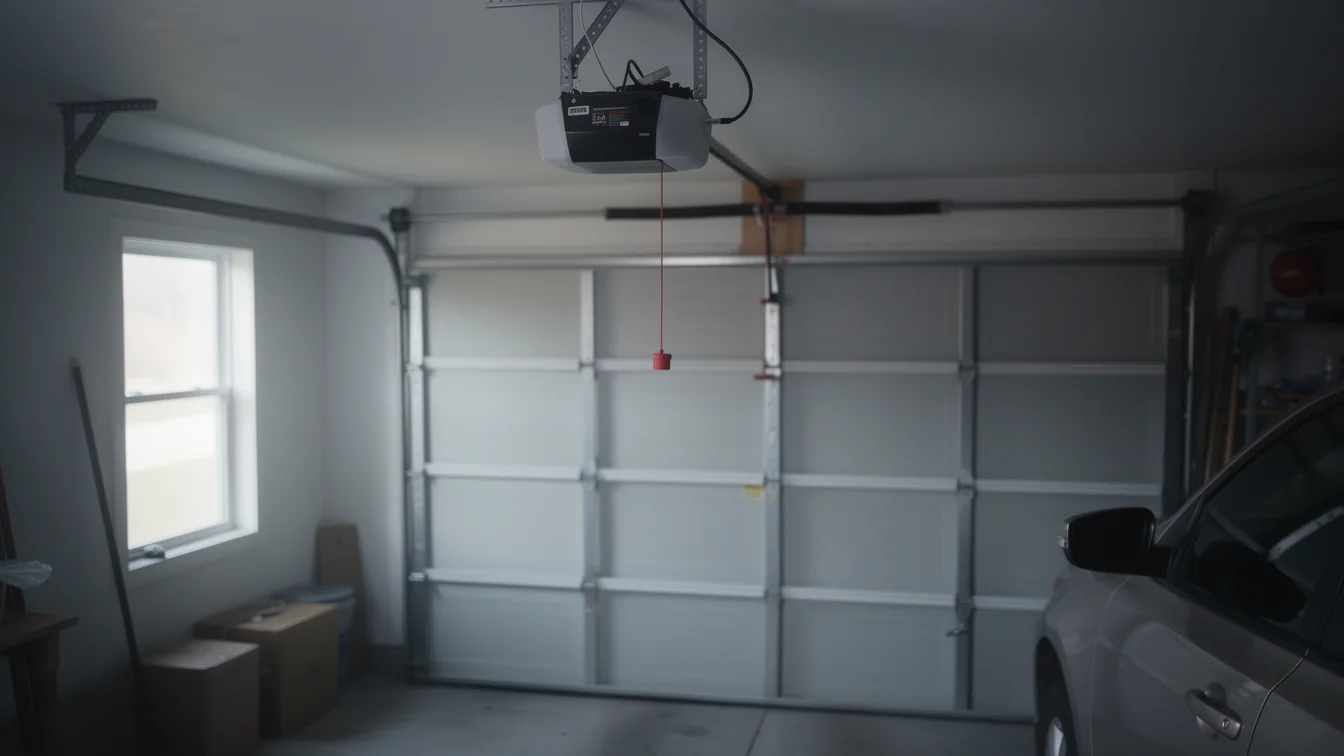
Most houses across this area went up between 1961 and 1993, with the median build year landing around 1982. That means a lot of the garage doors we look at are the originals, or close to it, running on torsion hardware and openers that predate the parts currently sold at any supply house. When a spring snaps on a door that old, you're not just swapping a spring. You're often finding out the drum, the shaft, or the end bearing plate is worn past spec too, and that's not a job to stack on top of a jack and a pair of vice grips.
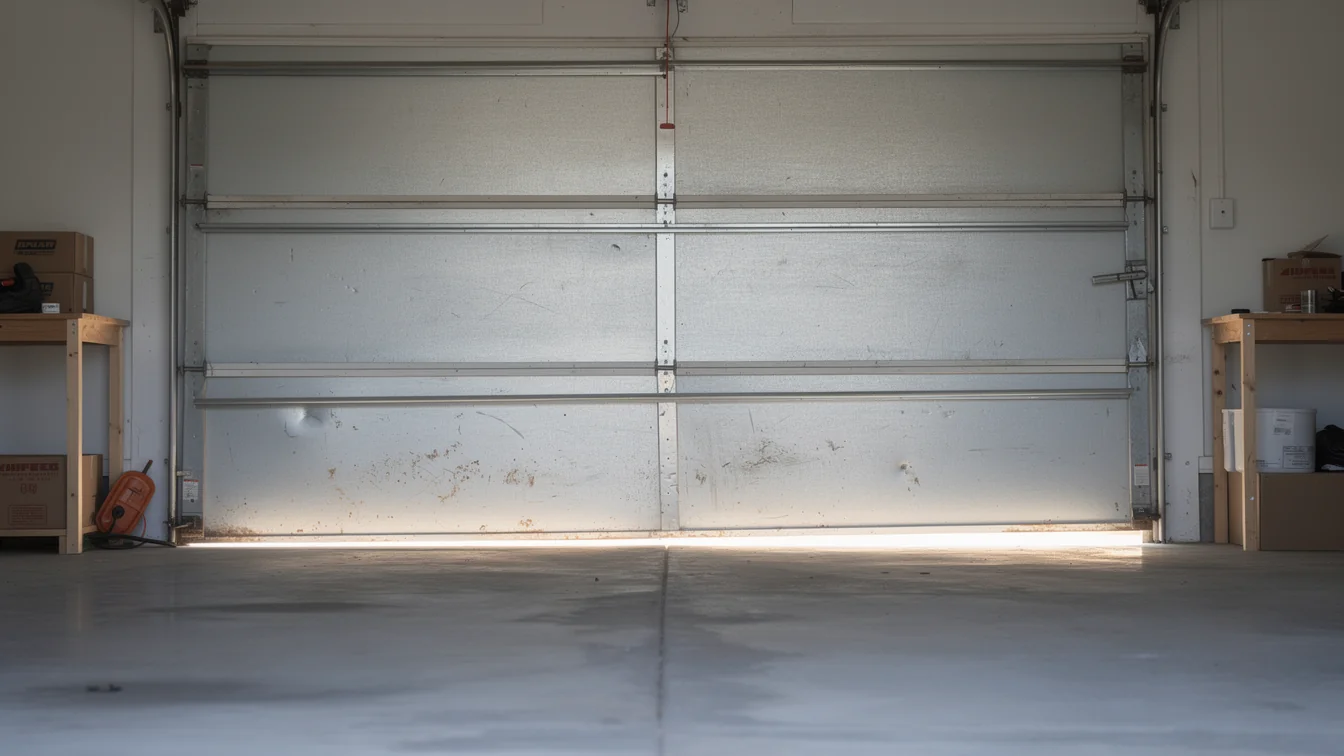
Across the nine communities we work in, from Quartz Hill four miles out to Littlerock sixteen miles east, the bulk of the garage doors are 1980s and 90s stock, and they share the same failure points: dry-rotted seals, rollers that have gone from nylon-white to chalky gray, and track that's been bent and re-bent at the same spot for years. If the door is binding, if a cable has jumped the drum, or if the opener is pulling hard enough that you can hear the motor strain, that's the line. Past that point, working on it yourself risks a hand or a face, not just a wasted afternoon.
The area
When Waiting Is Fine
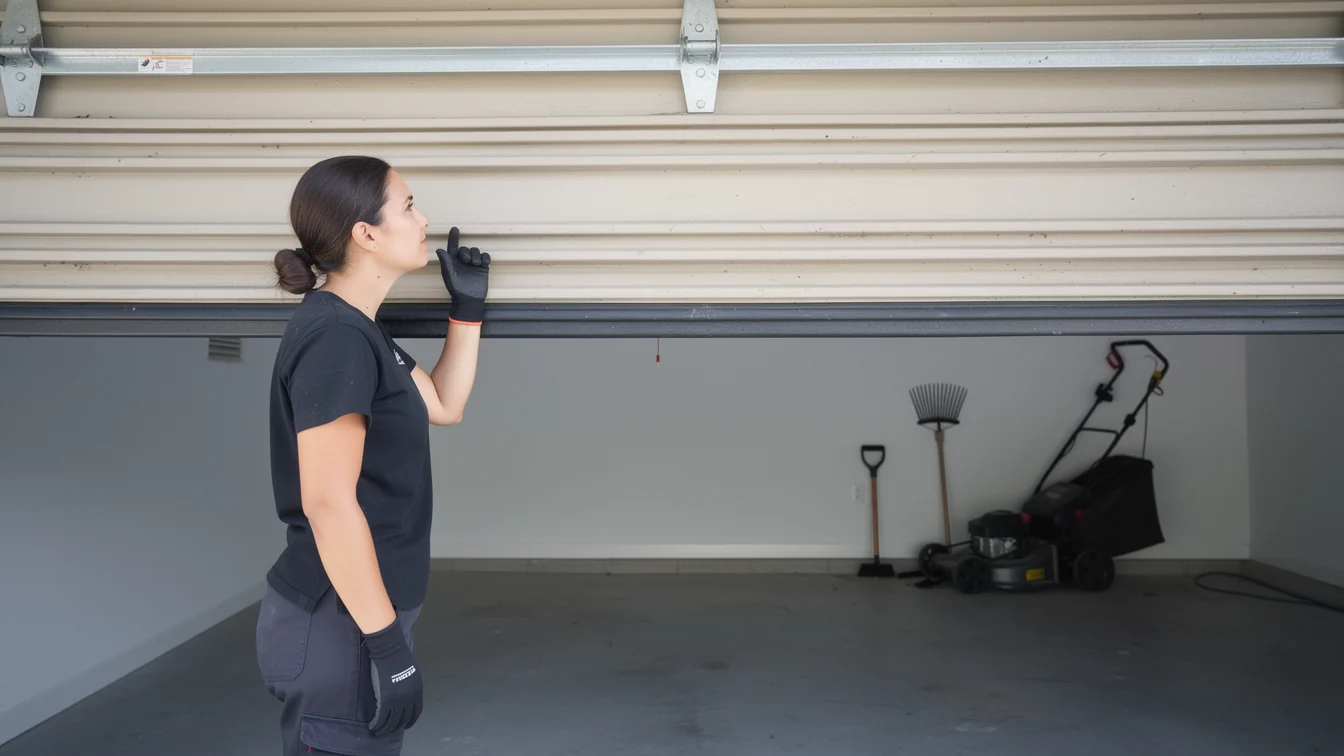
Not everything on an older door needs a truck out here right away. A slow-closing opener that still reverses properly on contact, a little surface rust on a steel panel that hasn't bubbled through, or a weatherstrip that's cracked but still seated - none of that is urgent. Lubricating hinges and rollers yourself, tightening visible hardware, and clearing the track of dust and debris are reasonable things to do on your own, and they buy time on a door that's otherwise sound.
With roughly 12,951 owner-occupied houses in this service area, we see plenty of doors in this in-between state: old, a little tired, but structurally fine and balanced correctly. If the door opens and closes evenly, holds its position halfway up, and the opener isn't straining, you can usually wait for a scheduled visit instead of calling it an emergency. Waiting costs you nothing except putting up with squeaks.
What we find
The Problem
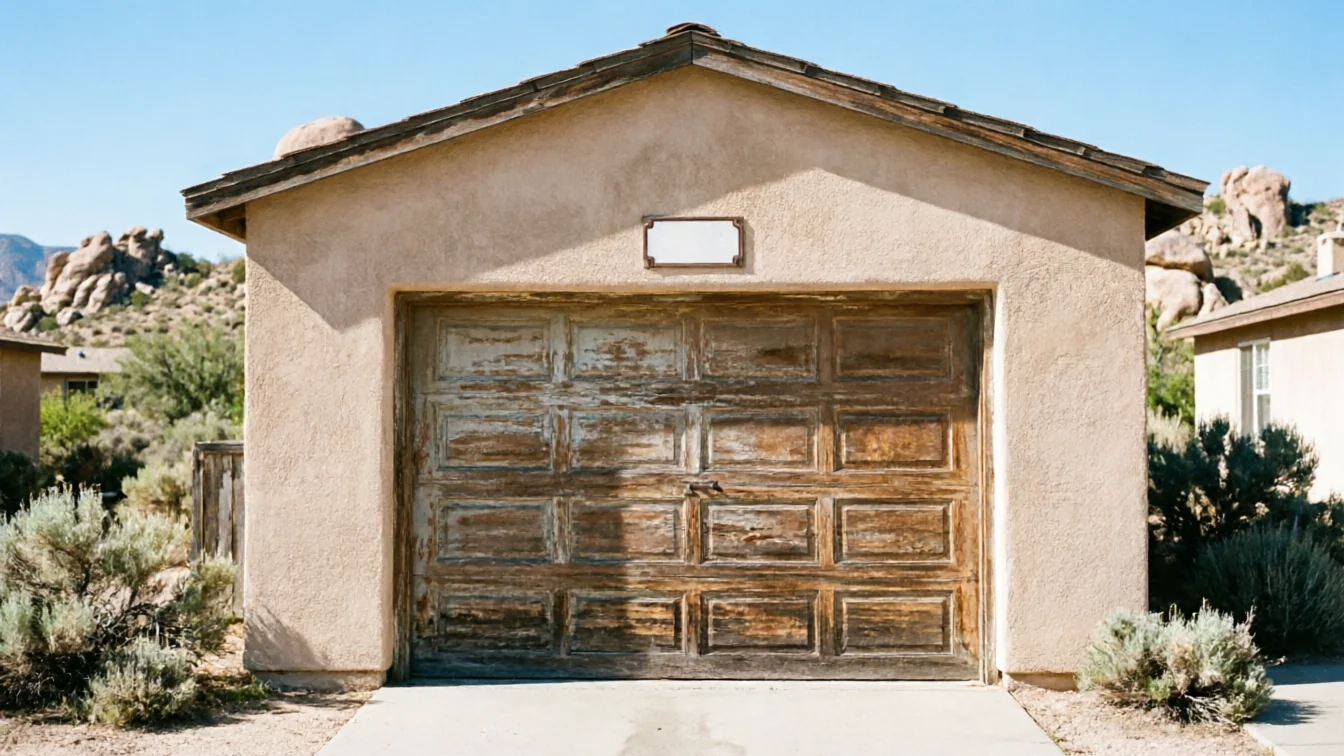
The real issue with a door built in 1982 isn't that it's ugly - it's that half the hardware on it was discontinued years ago. Original tracks from that era often use dimensions that don't match current rollers. Panel sections for some of those older steel doors simply aren't made anymore, so a single dented section can mean sourcing a used one or replacing the whole door. We won't pretend we can match every obsolete panel profile from a door that old; sometimes the honest answer is that repair isn't realistic even if the spring and opener are fine.
Given the median household income of $107,008 across this area, most owners here are in a position to replace rather than keep chasing parts for a door that's outlived its manufacturer. That's not a sales pitch, it's just the math on a 40-year-old door versus a new one with a 10-15 year service life ahead of it.
How we work
What Local Conditions Do
This area sits in a moderate-heat climate band, and heat is hard on a garage door in ways that aren't always obvious. Steel panels expand and contract through the day, which loosens fasteners over years. Lubricant on rollers and hinges dries out faster here than it would somewhere cooler, so a door that isn't serviced tends to get noisy and stiff well before it fails outright. Nylon rollers get brittle and crack. Torsion springs, which are already working against the heaviest moving object in most houses, cycle through more expansion and contraction than they would in a milder spot.
On an older door, these effects stack on top of 30-plus years of wear, which is why doors from the 1961-1993 building era tend to show their age all at once rather than gradually. A door that's been fine for a decade can go from 'a little loud' to 'off the track' in a single hot stretch. That's worth knowing before you decide a repair will hold.
Talk to a local pro
Garage door trouble in Lancaster?
Same-day service with honest, upfront quotes.