Local detail
When It Stops Being a DIY Job
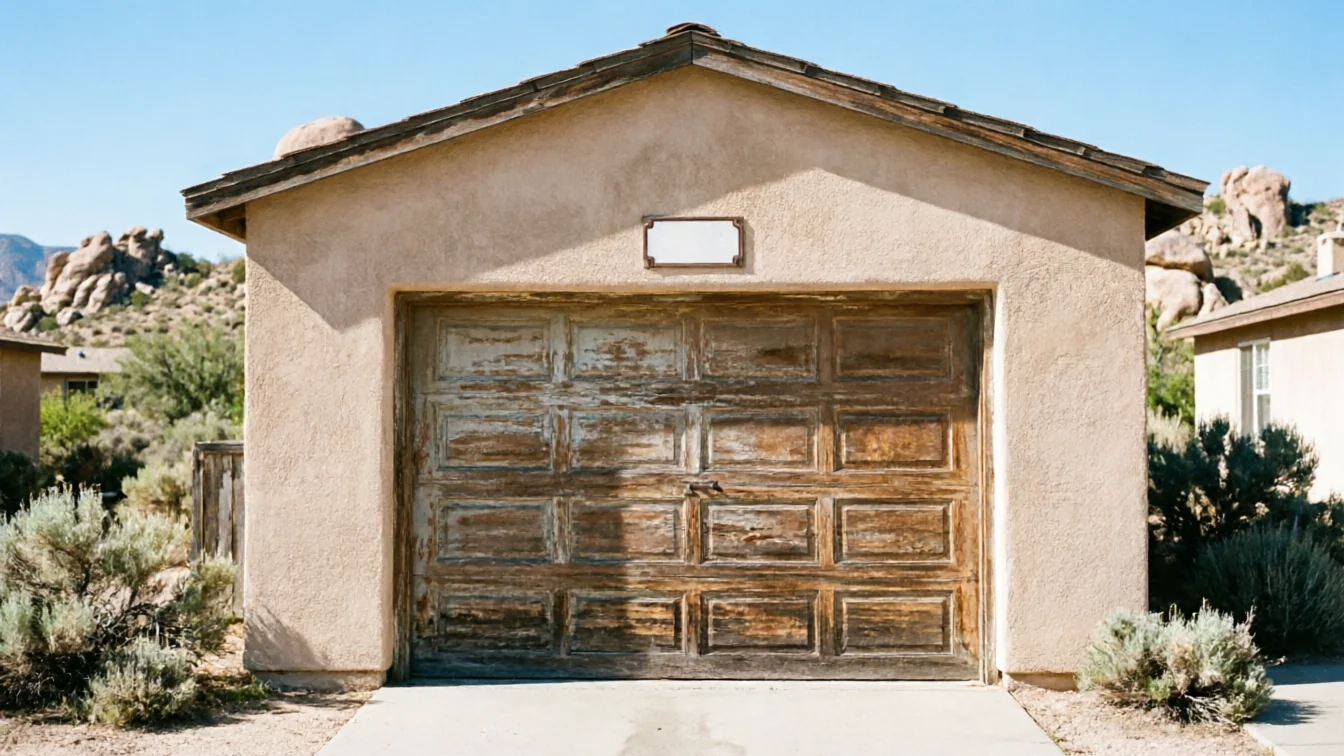
If your house is part of the 1961-1993 wave that makes up most of this service area, your garage door was likely installed before anyone wrote a code requiring an insulated panel. That matters more than people think. A single-skin steel or wood door from that era has no foam core, no thermal break, and hardware sized for a lighter or heavier door than what's common now, depending on the decade.
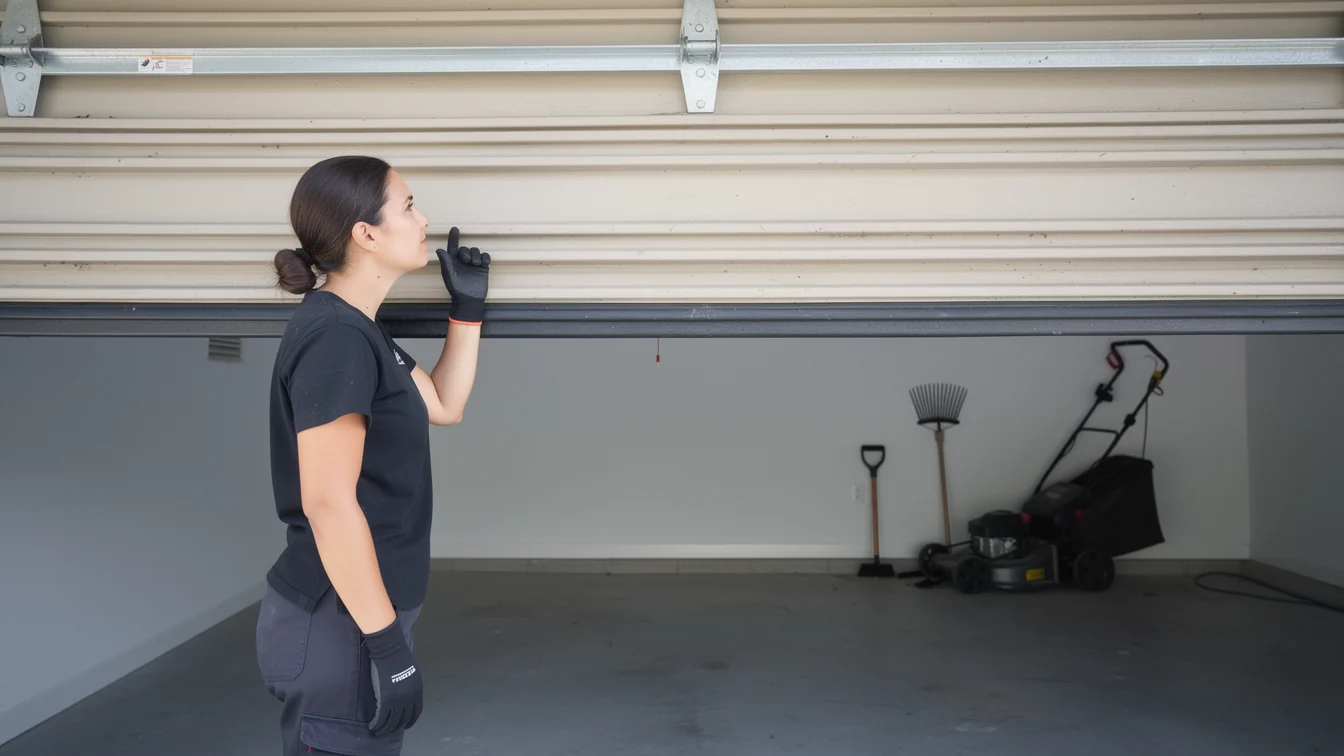
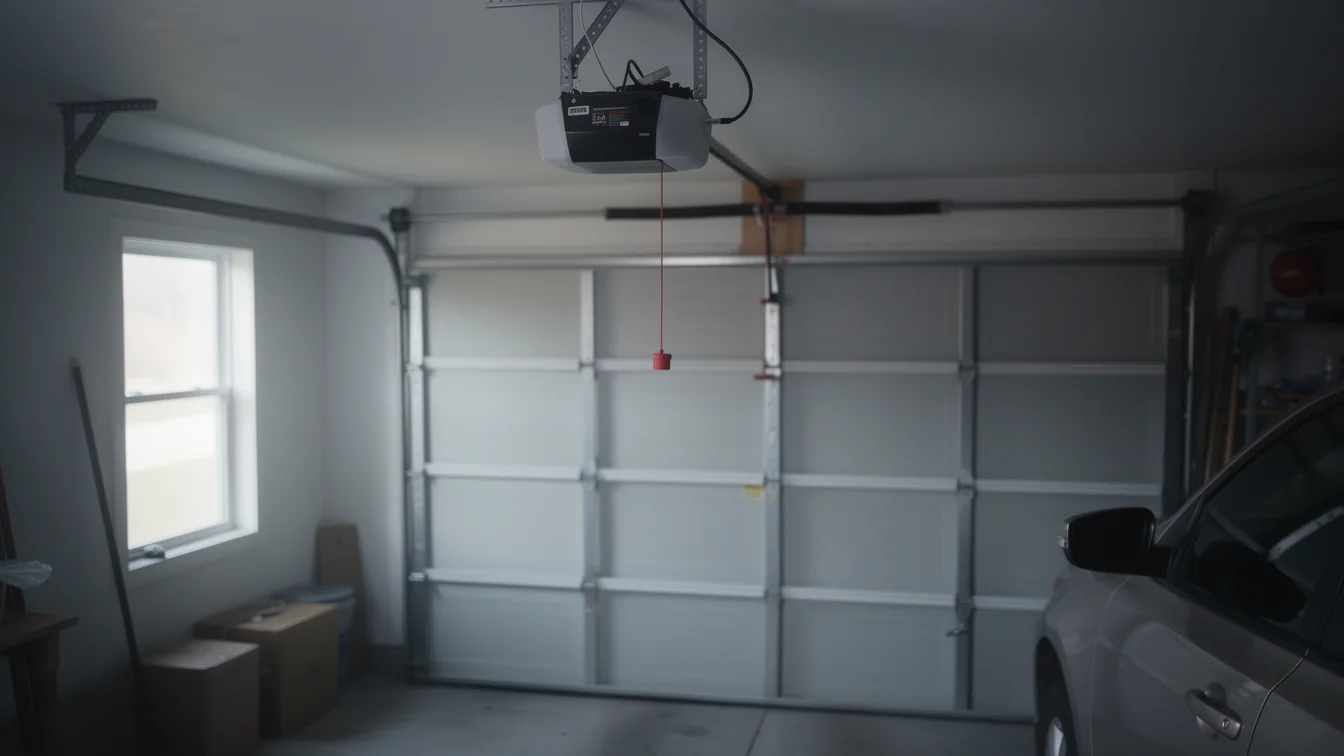
You can handle a sticky roller or a loose hinge screw yourself. What you shouldn't touch is the torsion spring system on a door this old, especially if the spring still looks original. Springs from the 1980s and 90s weren't always matched to today's door weights if a panel has been swapped out over the years, and a spring under tension that's outlived its cycle count can let go hard. If the bottom panel shows rust-through, if the door sags visibly when it's halfway up, or if the track bolts are pulling out of a wood jamb that's shrunk with age, that's a call-a-pro job, not a weekend one.
The area
When Waiting Is Fine
Not everything on an older door is urgent. Across the nine areas that make up this market - including homes near Quartz Hill and the stretch toward Littlerock - we see a lot of doors from the 1980s stock that are cosmetically rough but mechanically sound. A dent in a panel, a little surface rust that hasn't broken through the steel, or a door that's just noisy on the way up usually isn't a safety issue. It's an appearance issue, and it can wait until it bothers you enough to deal with it.
Same goes for an opener that's merely slow. If it still reverses when it hits something and the gears aren't grinding, you've got time. The honest limitation here: we don't push replacement on a door that still works just because it's old. A 1982-built door with sound cables, a true track, and a spring that's still cycling fine doesn't need to come out. Replacing a working door for insulation reasons alone is a comfort decision, not a safety one, and it's one you can make on your own schedule.
What we find
The Problem
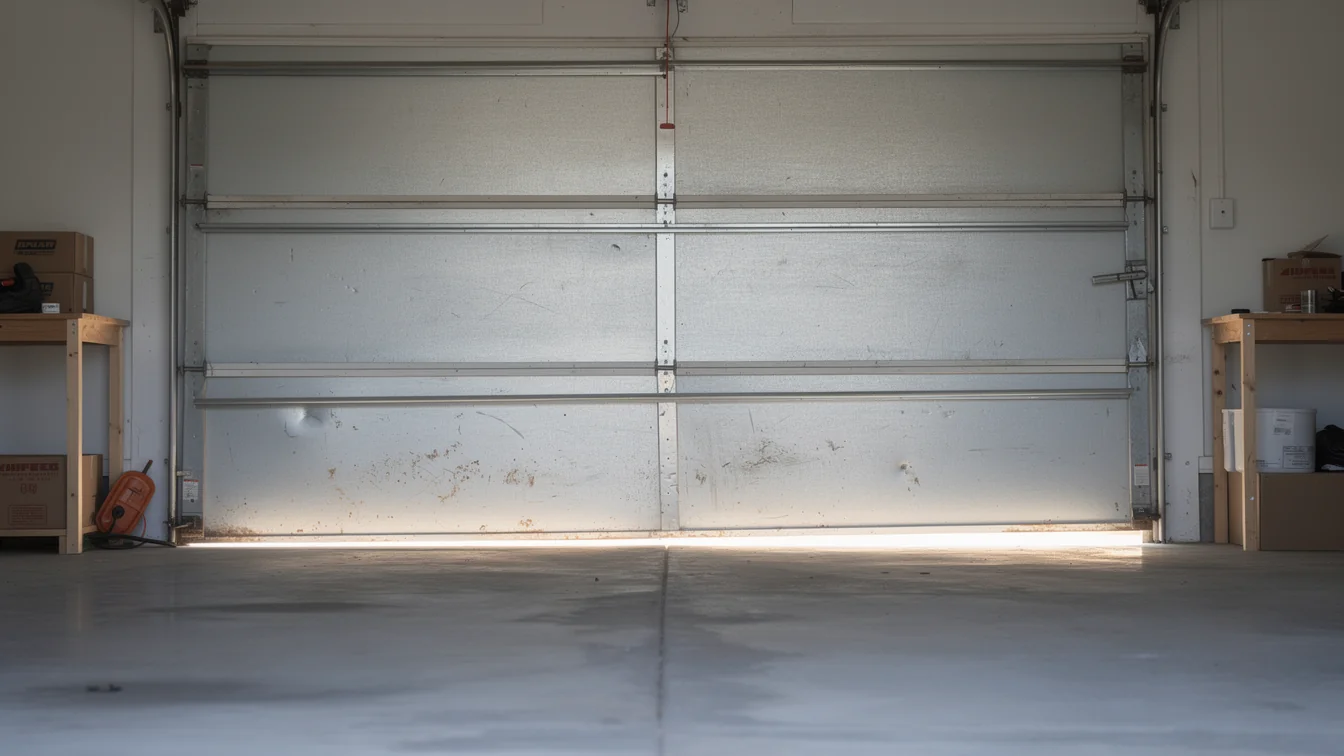
The real issue with housing stock from 1961 to 1993 isn't that the doors are old - it's that none of them were built to any insulation standard, because none existed yet for residential garage doors in that window. A single-skin door has no R-value. It transfers outside temperature straight into the garage, and if that garage shares a wall with living space, which a lot of homes from this era do, that heat load doesn't stay in the garage.
With a median household income of $107,008 across the area, replacing a door with an insulated model is usually within reach once someone decides it's worth doing - it's rarely a cost barrier, it's an awareness one. Most people don't think about the garage door as part of their home's thermal envelope until they're standing in a garage that's noticeably hotter than the house. Across 18,984 households and 12,951 owner-occupied houses in this market, a large share are still running the original uninsulated panel that came with the house, simply because nobody's flagged it as a problem.
How we work
What Local Conditions Do
This area sits in a moderate heat band, not an extreme one, so we're not talking about the kind of punishing desert swings that crack panels outright. But moderate heat sustained over long summer afternoons still does work on an uninsulated steel door. The metal expands during the day and contracts overnight, and on a door that's 30 or 40 years old, that cycle has usually already loosened hinge screws, widened the gap at the seams, and left the bottom seal brittle enough to crack when you bend it.
On wood doors from the same era, you get a different version of the same problem: the panels dry out and shrink, which throws off the fit at the track and makes the door bind partway through its travel. Insulated doors handle this better because the foam core limits how much the outer skin's temperature swing reaches the inner skin, which is also the layer bolted to the hardware. None of this is dramatic - it's slow wear, which is exactly why it gets ignored until the door won't travel smoothly anymore.
Talk to a local pro
Garage door trouble in Lancaster?
Same-day service with honest, upfront quotes.