
Lancaster, CA
Keeping Your Garage Door Running in Lancaster's Desert Climate
Garage door maintenance for Lancaster-area homes built 1961-1993, where desert heat swings and original hardware wear out springs, rollers, and openers early.
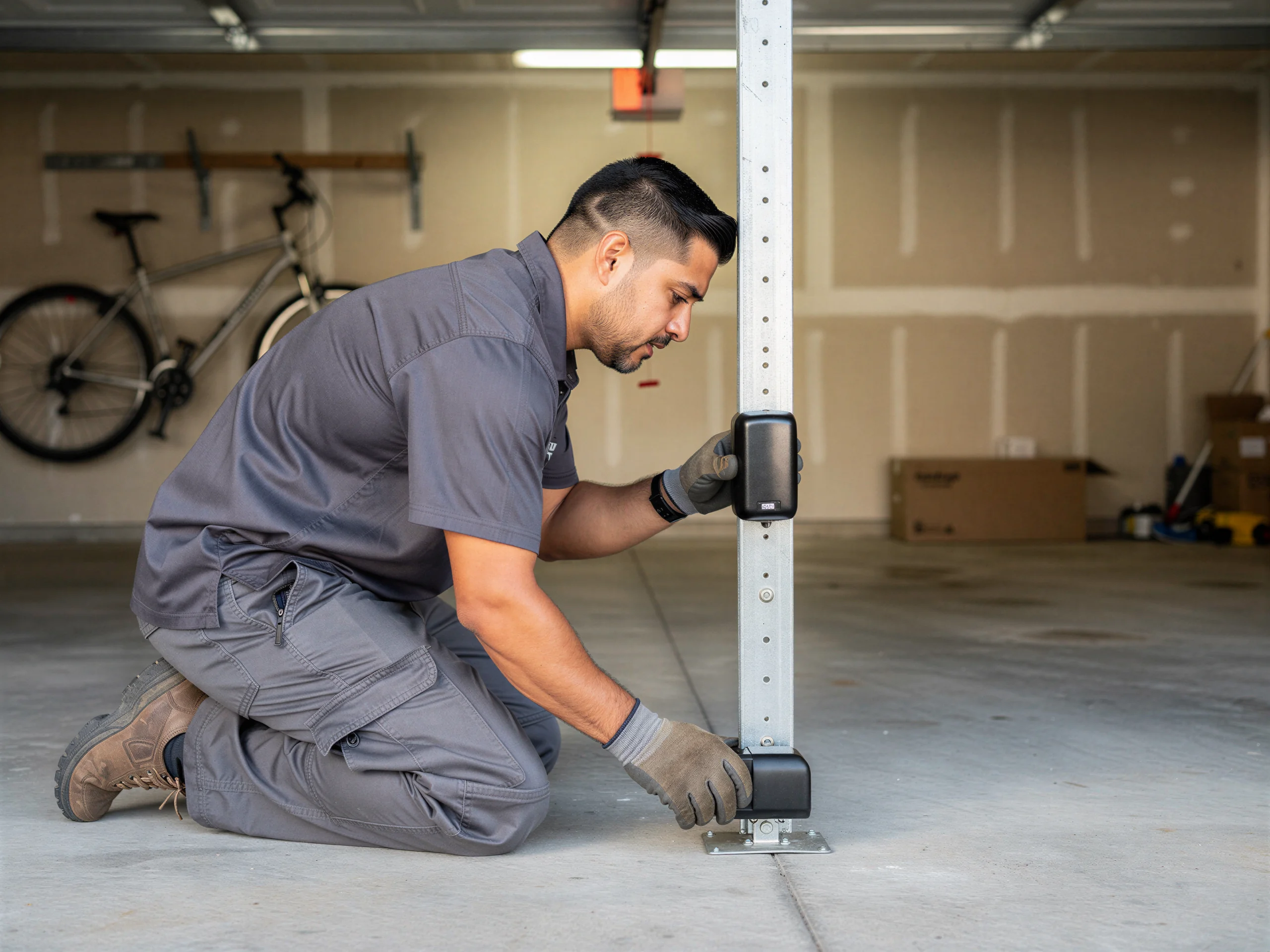
What It Costs
We don't quote a flat number here because maintenance cost depends on what's actually on the door, and in this service area that varies more than people expect.
Original springs and tracks
A house built closer to 1982 - the median build year for the area - usually still has its original torsion spring and a steel track that's seen four decades of use. A newer build in one of the 1990s-era subdivisions might just need lubrication and a balance check.
Preventive versus past-due parts
What drives the bill is whether we're doing preventive work on hardware that's holding up, or replacing parts that are past due. One honest limitation: we don't stock every roller, cable, or opener logic board for doors from the 1960s and 70s.
Special-ordered parts timing
If your door is original to a house from that end of the 1961-1993 build range, a part may need to be special-ordered, and that adds a few days to the job. We'll tell you up front if that's the case instead of guessing at a timeline.
Lubrication and tension checks
Regular maintenance - lubrication, spring tension check, track alignment, hardware inspection - costs less over the life of a door than letting a dragging door run until something snaps. That's true everywhere, but it matters more here given how much of the area's housing stock is already past the midpoint of a torsion spring's working life.
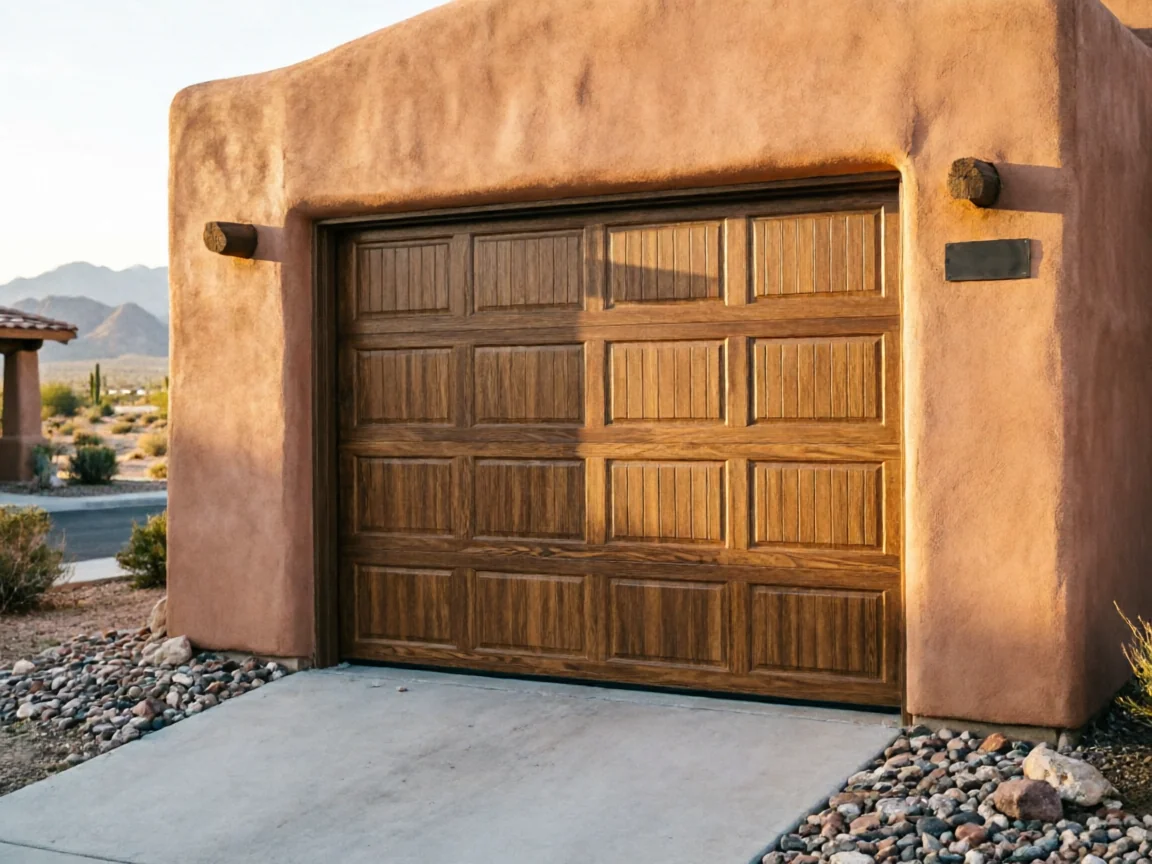
How It Shows Up
The first sign is usually noise - a grinding or popping sound as the door travels, which on older torsion hardware often means a spring that's lost tension unevenly.
Slow closing and reversals
The second sign is a door that looks like it's moving fine but takes longer to close than it used to, or that reverses partway up for no clear reason. That's frequently a sensor or a cable starting to fray, not the opener itself.
Gummy grease on hinges
In Lancaster's moderate-heat climate band, the pattern we see most is grease that's gone gummy or dried out on rollers and hinges faster than the manufacturer's service interval assumes, because the daily temperature swing here is wider than it is in a coastal town. A door that was quiet in the morning can start squealing by afternoon once the metal has expanded.
Bottom panel warping
On the older end of the housing stock - anything built nearer 1961 than 1993 - we also see panel warping along the bottom section, where the door sits closest to a concrete slab that's been through decades of heating and cooling. None of this means the door is about to fail tomorrow. It means the parts are working harder than the day they were installed, and a maintenance visit catches it before the failure is a Saturday-morning emergency.
The Complications
The main complication across this service area is hardware mismatch. A house built in the early part of the 1961-1993 range often has a replacement opener bolted onto original track and brackets, because somewhere along the way the opener failed and got swapped, but nobody touched the rest of the system.
Mixing old and new parts
That mix of old and new parts is harder to service correctly than a door where everything is the same age, because tolerances that were fine in 1982 don't always sit right with a 2020s opener's travel limits. The second complication is scale.
Doors aging on one schedule
With close to 19,000 households and nearly 13,000 owner-occupied houses in the territory we cover, a lot of these doors were installed on a similar schedule, which means a lot of springs and cables are aging out around the same calendar years. That's not a dramatic story, but it does mean maintenance scheduling matters more here than in a town with newer, more staggered construction.
Parts for oldest doors
The third is access to parts for the oldest doors - one-piece or early sectional models from the early part of the build range sometimes use hardware that current manufacturers don't make anymore. When we hit that, the honest answer is sometimes that replacement is cheaper and more reliable than chasing a part.
Why It Happens Here
This area's housing stock runs from 1961 to 1993, with the median landing around 1982, and that one number explains most of what we see on a maintenance call. A door and its hardware have a working life measured in years of cycles, not decades, and a 1982-built door has had roughly four decades of openings and closings even if nobody's touched it since install.
Across the nine communities we cover - Quartz Hill four miles out, Leona Valley at nine, Rosamond and Acton and Green Valley around twelve to fourteen, and Sun Village, Agua Dulce, Lake Hughes, and Littlerock out at sixteen - the construction era is consistently 1980s and 90s, which means the maintenance issues repeat from one town to the next: aging torsion springs, original rollers, openers that have already been replaced once.
The climate band here sits in the moderate-heat category, and that matters for maintenance timing specifically. It's not humidity or coastal rust driving wear - it's the daily expansion and contraction of metal track and panel seams through wide temperature swings. A median household income of $107,008 in the area also means most owners here are in a position to maintain a door properly rather than defer it until it breaks, which is the better call either way.
Questions
Common questions
How often should I get my garage door serviced in Lancaster?
We don't have a universal number that fits every door, since it depends heavily on the door's age and how much it's used. As a general guide, an annual check of springs, rollers, cables, and opener sensors catches most problems before they become a stuck or stranded door, especially on homes built in the 1960s-80s stretch of the area's housing stock.
My door is original to a house from the 1970s. Is it worth maintaining or should I just replace it?
It depends on the hardware, not just the age. Some original tracks and torsion systems are still sound and just need service; others have parts that are no longer made and keep failing. We'll tell you honestly which situation you're in rather than pushing a replacement you don't need.
Why does my door squeal more in the afternoon than in the morning?
That's a heat-expansion issue, not a sign something's broken. In this climate band, metal track and rollers expand as the day warms up, and dried-out lubrication makes that friction audible. Regular lubrication on the right schedule for our temperature swings usually clears it.
Do you carry parts for older opener models?
Not for every model. Doors original to the earlier end of the area's 1961-1993 construction range sometimes use hardware that's no longer manufactured, and those parts need to be special-ordered. We'll flag that during the visit so you know the timeline before we start.
Explore more
Explore More Services In Lancaster, CA
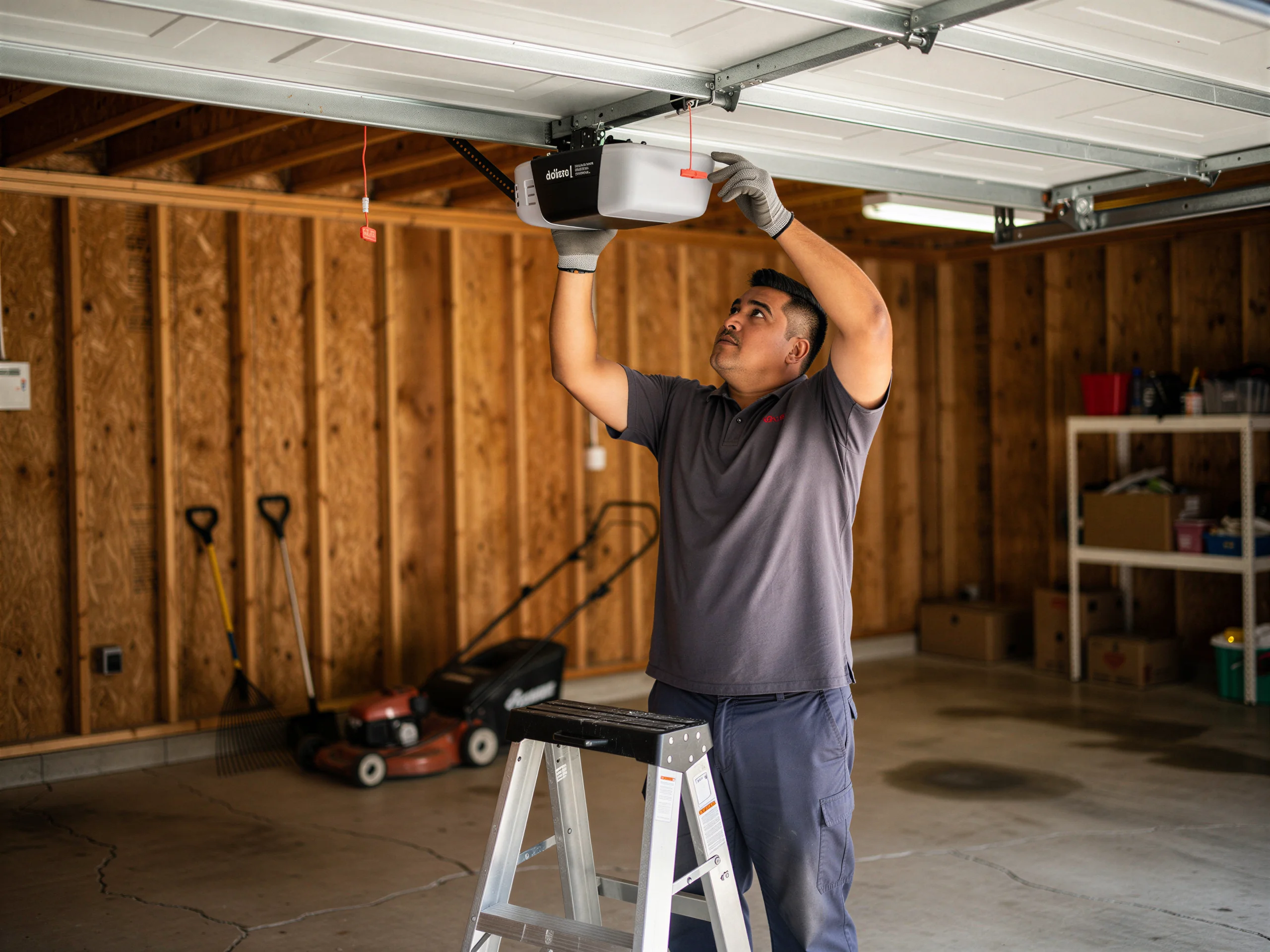
Garage Door Opener Installs Across Lancaster's Service Area
Opener replacement and new installs for Lancaster-area homes, from older chain-drive units to belt-drive and battery-backup models suited to this housing stock. Learn more →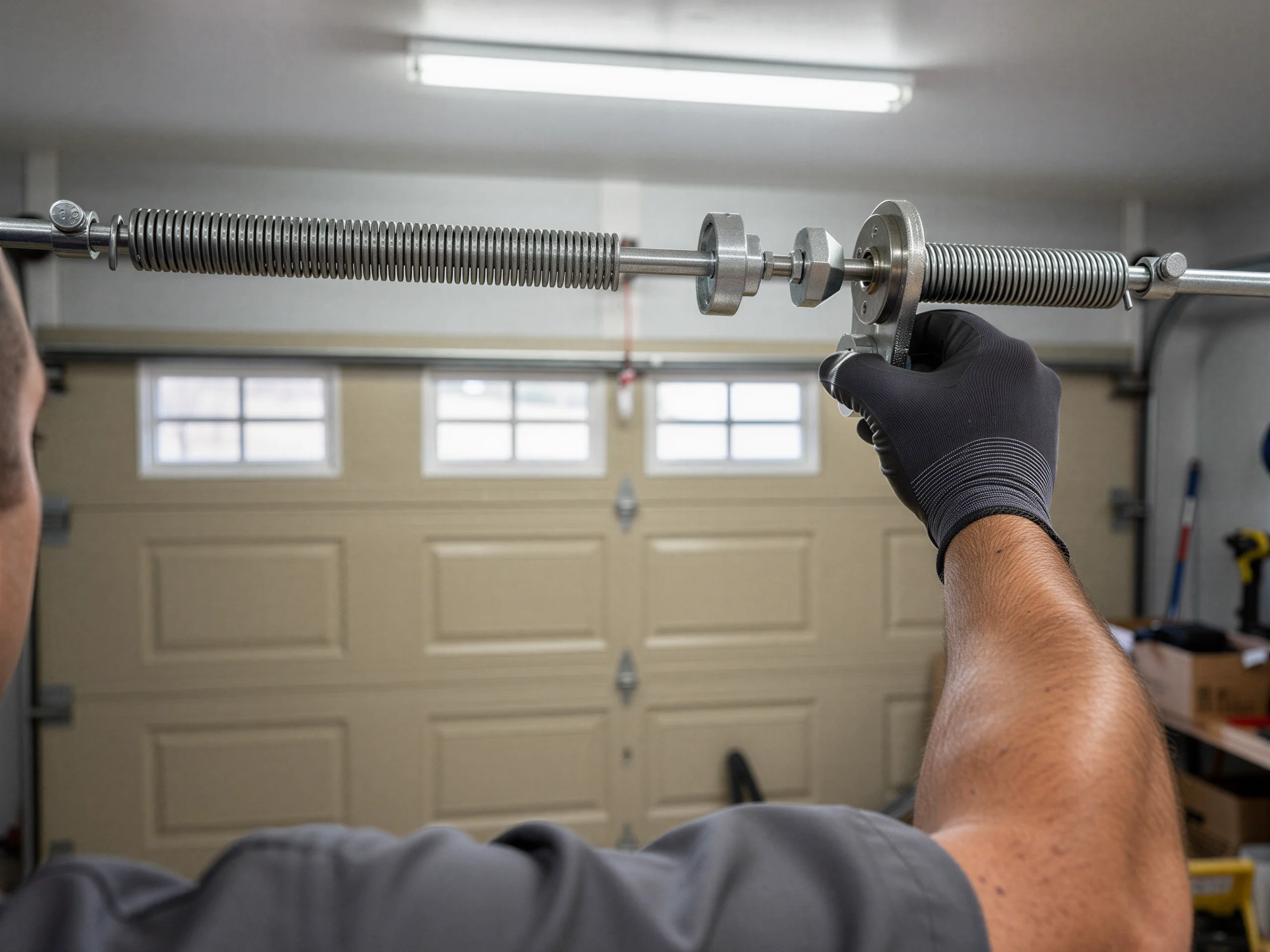
Garage Door Spring Repair in Lancaster
Torsion and extension spring repair for Lancaster homes built mostly between 1961 and 1993, where original hardware is reaching the end of its service life. Learn more →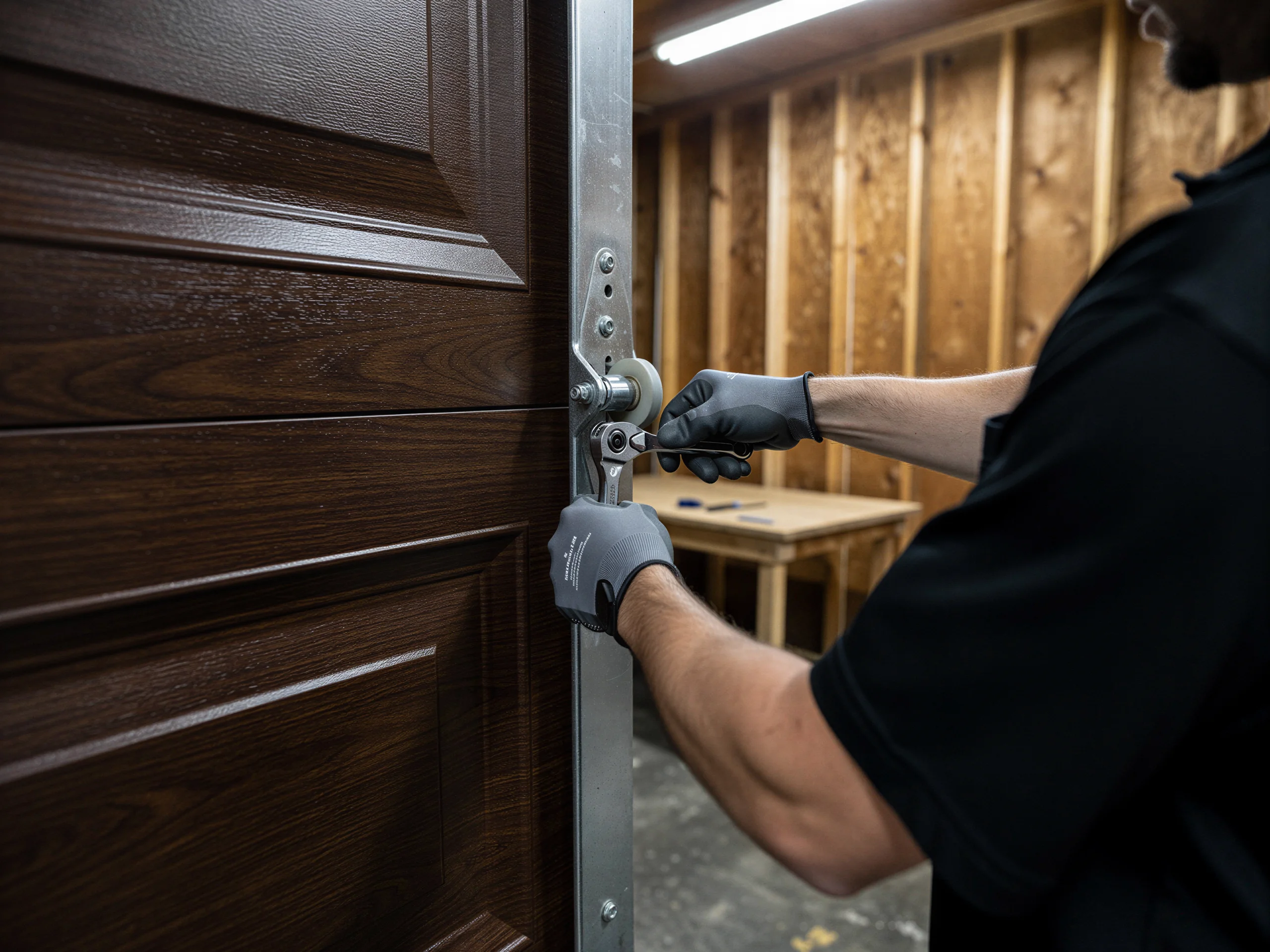
Garage Door Repair for Lancaster Homes
Garage door repair for Lancaster homes built 1961-1993, where original torsion hardware and heat-cycled springs cause most of the service calls we run. Learn more →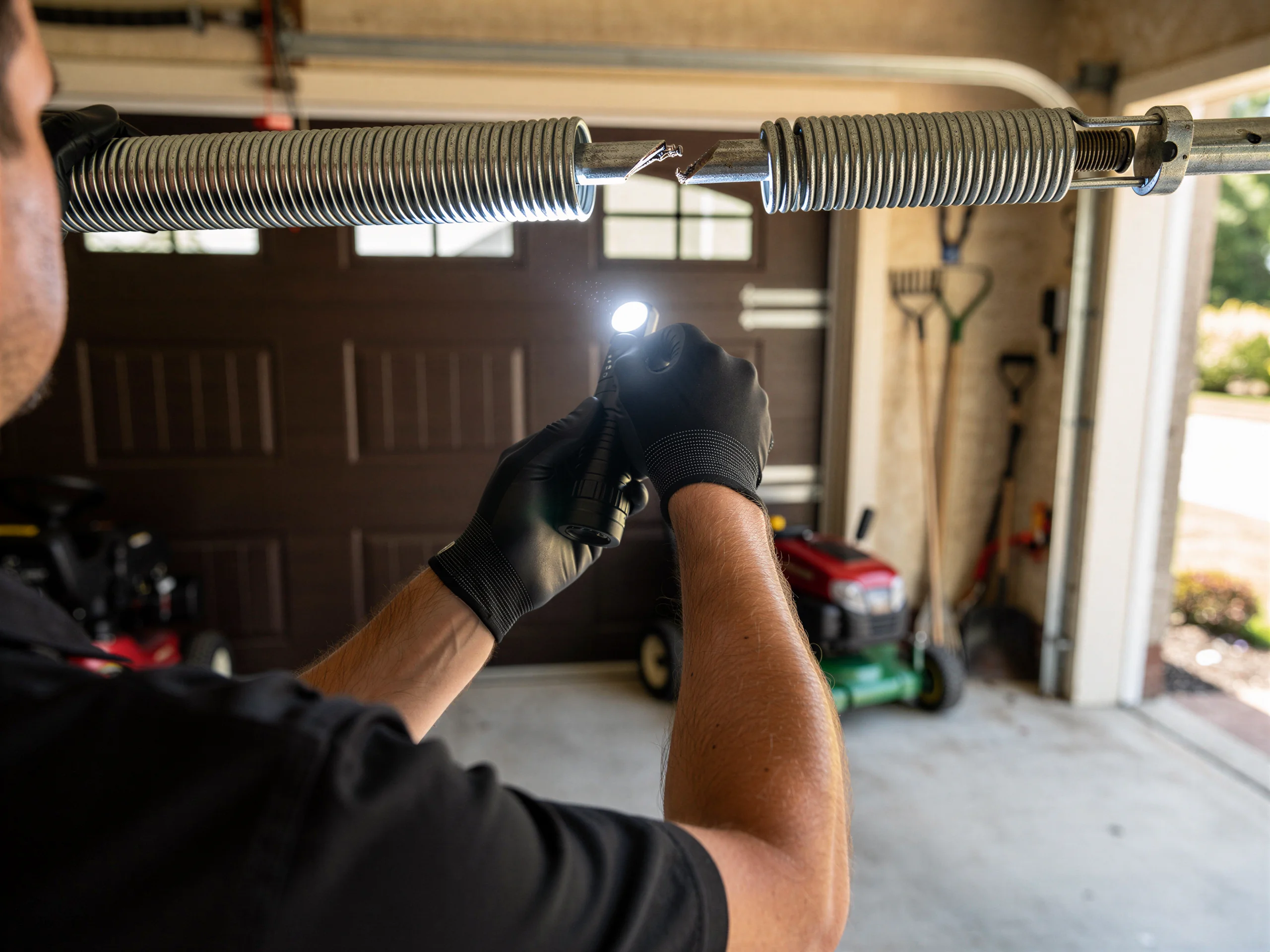
Emergency Garage Door Repair in Lancaster
Broken spring or dead opener at 2am in Lancaster? Learn more →
Garage Door Service for Lancaster Homes
Garage door service for Lancaster homes built mostly between 1961 and 1993. Learn more →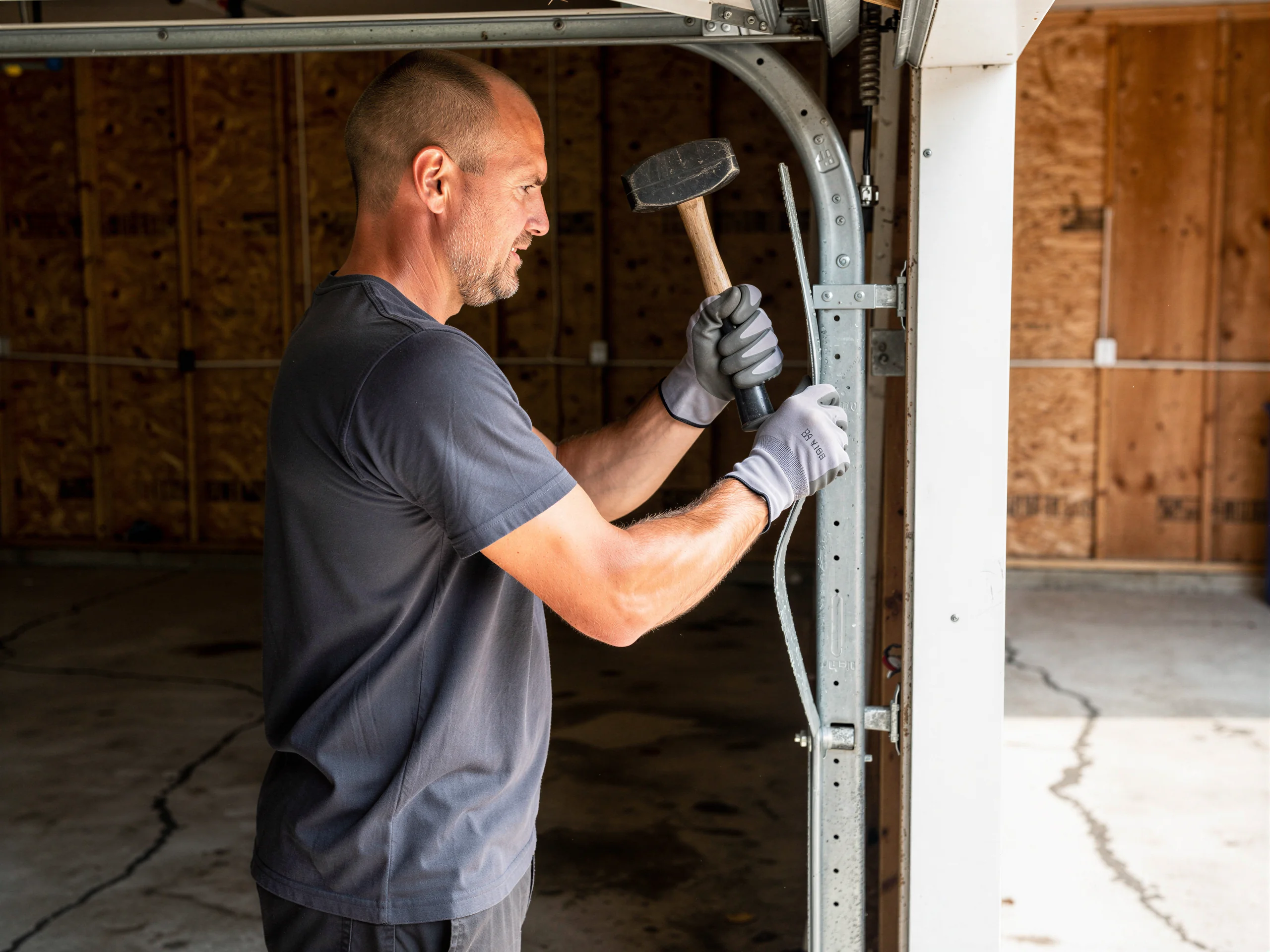
When Your Garage Door Comes Off Track in Lancaster
Garage door off track in Lancaster, CA? Learn more →Ready when you are
Time for a garage door tune-up in Lancaster?
Lancaster Garage Door Pros repairs and installs garage doors, springs and openers in Lancaster, CA and the surrounding area.